
Retro Magazine
Image to image · 9:16
Prompt
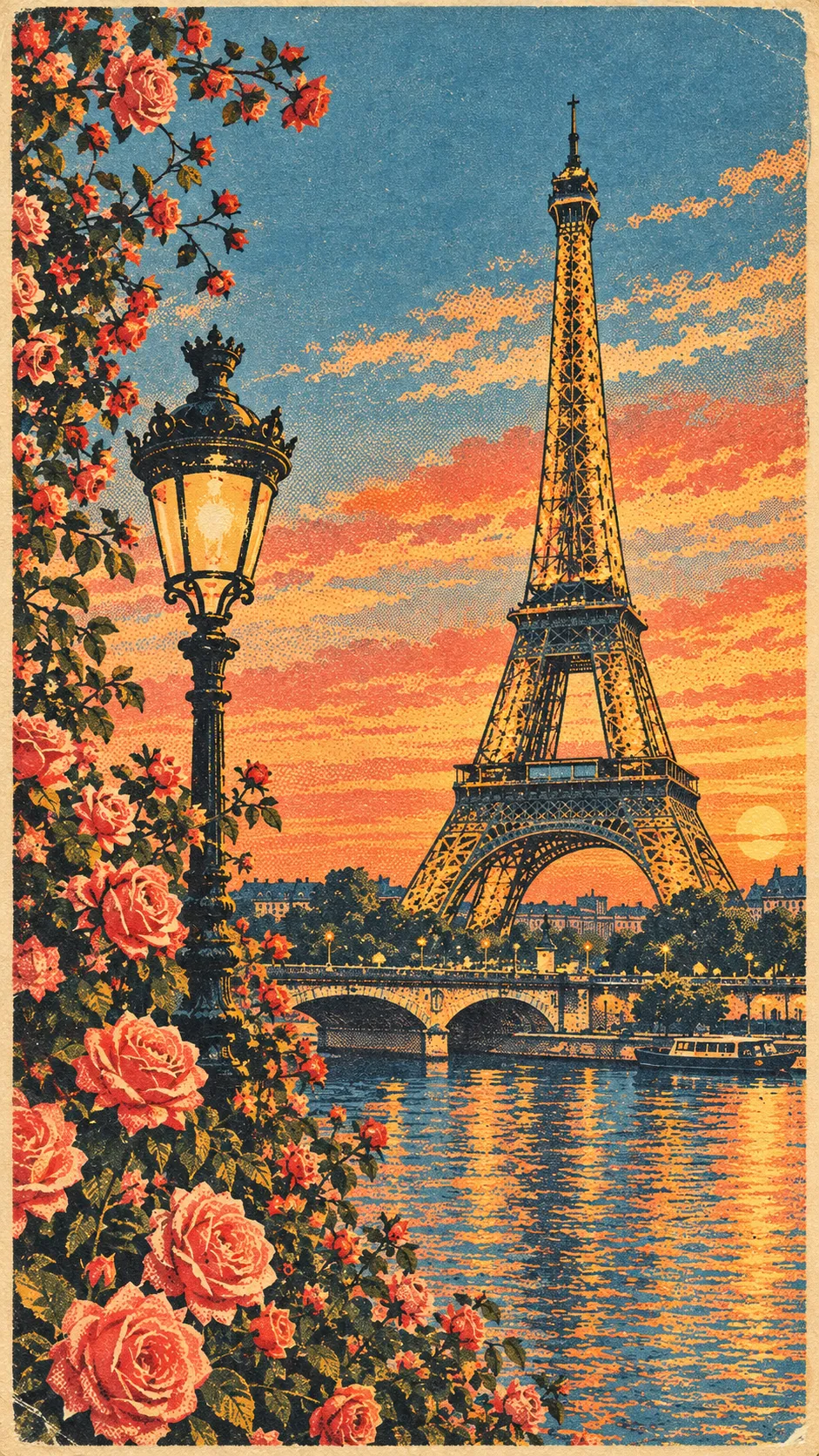
Example image generated from this prompt.
Convert the uploaded photo into a vintage mid-20th-century magazine cover illustration, rendered in the style of limited-color letterpress and halftone printing. Use the uploaded photo as the sole source of visual material. Output only the final converted magazine illustration; do not create before-and-after comparisons, split-screen images, contact sheets, collages, or mockups.

Begin by analyzing the source image to identify key figures and their relationships, poses, gestures, expressions, gaze directions, body orientations, relative proportions, clothing, accessories, significant props, environmental background, and the primary, secondary, warm, and neutral color tones. Preserve the exact number and type of key figures. Maintain their left-to-right order, interactions, poses, hand placements, facial orientations, emotional dynamics, clothing categories, and all objects that establish the narrative context. Do not add, remove, duplicate, merge, or replace the key figures.

Preserve the composition and visual narrative of the original image as much as possible. Maintain the original camera angle, perspective, cropping, subject placement, overlapping elements, foreground-background relationships, and key areas of negative space. Retain the original framing—whether a close-up, seated, crouching, standing, or low-angle composition. Do not add anatomical details beyond the original frame or extend the scene beyond the original view.

Transform the photo into a bold vintage illustration reminiscent of mass-produced magazine covers, pulp publications, travel posters, or character portraits from the 1950s through the 1970s. The final result should evoke the texture of screen printing, letterpress, or mechanical reproduction rather than digital painting. Employ strong outlines, simplified anatomy, posterized shadows, flat ink shapes, coarse dot patterns, stippled tones, and clearly visible printing textures.

Maintain the recognizability of the figures through their facial structure, hairstyles, age range, distinctive clothing, accessories, posture, expressions, and interactions. Simplify fine facial details into clear ink outlines and halftone shading, while ensuring the figures do not become generic or cookie-cutter characters. Preserve the mouth state and emotional expression of each figure. If the mouth is open, maintain that open state; if teeth are visible, retain a simplified representation of them; if the lips are closed, keep them closed. Maintain smiles, pouts, neutral expressions, laughter, and the direction of the gaze without altering their underlying emotional significance.

Before selecting a color scheme for the poster, extract a clear color hierarchy directly from the uploaded photo. Identify the dominant tones of the clothing or figures, secondary colors found in the environment or attire, key warm tones, and areas featuring neutral or light colors. The final, limited color palette must feel as though it was derived from the original image, rather than appearing as a rigid application of a generic vintage template.
This case needs 1 input image. Upload your own in the studio.
Prompt supplied by the project owner.